As technology advances, wearables are becoming essential tools for seniors seeking to enhance their health and wellbeing. These innovative devices offer a range of features designed to monitor vital signs, track physical activity, and even provide emergency alerts. With the right wearable, seniors can gain valuable insights into their health while enjoying the independence they cherish.
Embracing wearables can empower older adults to take charge of their health in a user-friendly way. From smartwatches to fitness trackers, these devices cater to various needs and preferences. As they integrate seamlessly into daily life, wearables not only promote an active lifestyle but also foster a sense of security, making them a smart choice for seniors and their families alike.
Overview of Wearables for Seniors
Wearable devices for seniors enhance health and wellbeing through various innovative features. These devices monitor vital signs like heart rate and blood pressure, allowing seniors to keep track of their health metrics efficiently. Activity tracking, such as step counting and exercise logging, encourages physical activity and supports an active lifestyle.
Wearables provide emergency alert systems that promptly notify caregivers or emergency services if a senior experiences a fall or medical issue. User-friendly interfaces ensure easy navigation for older adults, making technology more accessible. Integration into daily routines includes features like medication reminders and sleep tracking, fostering independence.
Different types of wearables available include smartwatches, fitness trackers, and specialized health monitors. Each type offers unique functionalities catering to specific needs, allowing seniors to choose a device that suits their lifestyle. Seniors and their families benefit from the added sense of security these devices provide, enhancing peace of mind in managing health and safety.
Benefits of Wearables for Seniors
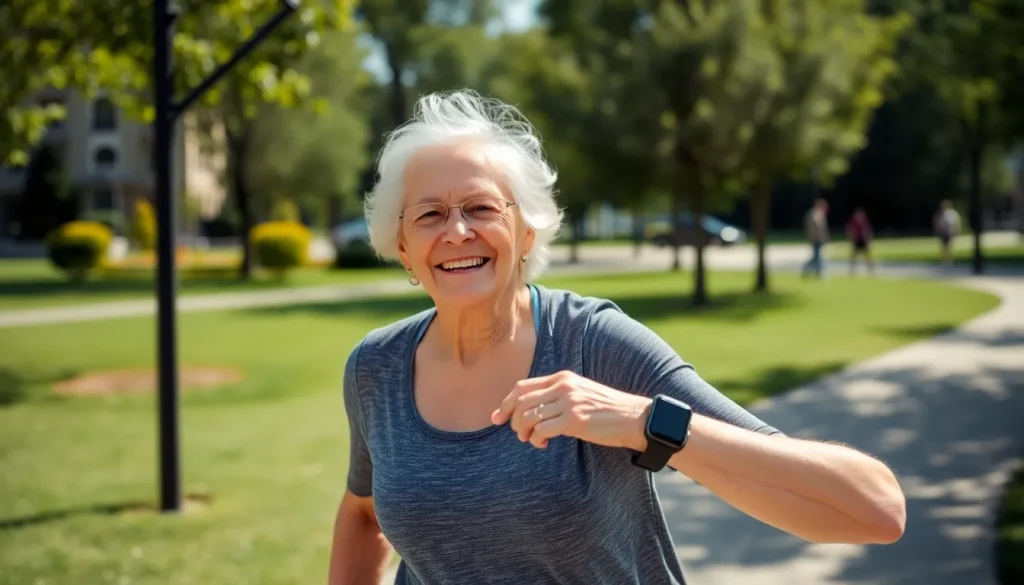
Wearable technology offers numerous advantages for seniors, primarily in health monitoring and safety enhancements. These devices significantly improve the quality of life for older adults by promoting independence and providing peace of mind.
Health Monitoring Features
Wearables provide critical health monitoring features that track vital signs such as heart rate, blood pressure, and oxygen levels. They enable seniors to monitor their conditions in real-time, facilitating timely interventions when necessary. Devices frequently feature step tracking and activity logs, encouraging physical engagement and helping maintain fitness levels. Many wearables also include comprehensive sleep tracking, which assists in identifying patterns that impact overall health. Data collected can sync with healthcare providers, fostering informed decision-making in treatments.
Safety Enhancements
Wearable devices incorporate several safety enhancements that protect seniors during daily activities. Emergency alert systems automatically notify caregivers or emergency services if a user falls or experiences a medical emergency. GPS tracking functionality helps family members monitor the user’s location, ensuring quick assistance in case of complications. Many devices also feature customizable alerts for medication reminders, minimizing the risk of missed doses. With these safety features, wearables empower seniors to live independently while maintaining vital connections to their support networks.
Popular Wearable Devices
Seniors increasingly adopt various wearable devices that enhance health monitoring and safety. These devices range from smartwatches to medical alert systems, each providing unique features tailored to the needs of older adults.
Smartwatches
Smartwatches offer a blend of communication and health monitoring capabilities. Many models feature heart rate monitoring, ECG functionality, and fall detection. User-friendly touchscreens and voice commands simplify navigation for seniors. Popular brands, like Apple and Samsung, provide emergency SOS features that alert preset contacts or emergency services, ensuring rapid assistance if needed.
Fitness Trackers
Fitness trackers focus on promoting physical activity and overall wellness. Devices from brands like Fitbit and Garmin include step counting, calorie tracking, and guided exercise routines. Many trackers also monitor sleep patterns, helping users understand their rest quality. Some models come with linked smartphone apps, allowing seniors to share their activity data with family members or healthcare providers.
Medical Alert Systems
Medical alert systems prioritize safety through emergency response capabilities. Devices often come in the form of pendants or wristbands equipped with buttons that seniors can press in emergencies. Options like Philips Lifeline and Medical Guardian provide 24/7 monitoring services. Many systems include GPS functionality, which assists emergency services in locating seniors quickly. Some models even integrate with smart home technology for enhanced support, making them valuable for maintaining independence.
Challenges and Considerations
Seniors face specific challenges when it comes to adopting wearable technology. Key considerations include user friendliness and affordability, which significantly impact the effectiveness and accessibility of these devices.
User Friendliness
User interfaces must be simple and intuitive to meet the needs of seniors. Large displays, clear icons, and straightforward navigation enhance usability. Devices should offer customizable settings to accommodate varying levels of tech-savviness. Voice commands or visual aids can further assist seniors in operating wearables effectively. Comprehensive customer support, including tutorials and guides, strengthens user confidence and ensures that seniors can maximize the benefits of their devices.
Affordability
Cost plays a crucial role in the adoption of wearable technology among seniors. Budget-friendly options abound, but premium devices often include advanced features that can improve health management significantly. Many insurance companies now offer reimbursements or discounts for medical alert systems and health-monitoring devices, making them more accessible. It’s essential for families to evaluate device features against costs to find the most suitable option that aligns with both budget and health needs.
Wearables for seniors represent a significant advancement in health management and safety. These devices empower older adults to take charge of their wellbeing while providing crucial support through features like health monitoring and emergency alerts. By promoting an active lifestyle and ensuring connectivity with caregivers, wearables enhance both independence and peace of mind.
As technology continues to evolve, the accessibility and affordability of these devices are likely to improve. Families can play an essential role in helping seniors navigate this new landscape. With the right wearable technology, older adults can enjoy a higher quality of life, making it easier to stay healthy and connected.