In a world where urban sprawl is the norm and space is at a premium, tunnelling and underground space technology emerge as the unsung heroes of modern engineering. Imagine a realm beneath our feet, where creativity meets practicality, and engineers become the architects of subterranean wonders. From bustling subway systems to vast underground malls, this hidden world is more than just a dark abyss; it’s a treasure trove of opportunities waiting to be unearthed.
Overview of Tunnelling and Underground Space Technology
Tunnelling and underground space technology plays a crucial role in urban development and resource management. This technology transforms subterranean areas into valuable assets for a wide range of applications.
Definition and Importance
Tunnelling refers to the process of excavating tunnels for transportation, utility lines, or other purposes. Underground space technology includes techniques for exploring, designing, and utilizing underground areas. Cities increasingly rely on these technologies to combat urban sprawl, enhance infrastructure, and maximize limited surface space. Efficient use of underground space supports sustainable development and addresses challenges such as traffic congestion and land scarcity. Technologies like shield tunnelling, cut-and-cover methods, and microtunnelling provide innovative solutions for both large scale and small projects.
Historical Developments
Historical developments in tunnelling date back to ancient civilizations. Early engineers constructed tunnels for aqueducts, roads, and mining purposes. The 19th century marked a significant period with the advent of the steam-powered machine, which improved tunnelling efficiency. Innovations continued into the 20th century with the introduction of mechanized excavation tools, significantly reducing construction time and costs. The establishment of underground metros and transportation systems can also be traced back to this era. Modern advancements now utilize computer-aided design and advanced materials, pushing the boundaries of what is achievable beneath the earth’s surface.
Key Techniques in Tunnelling
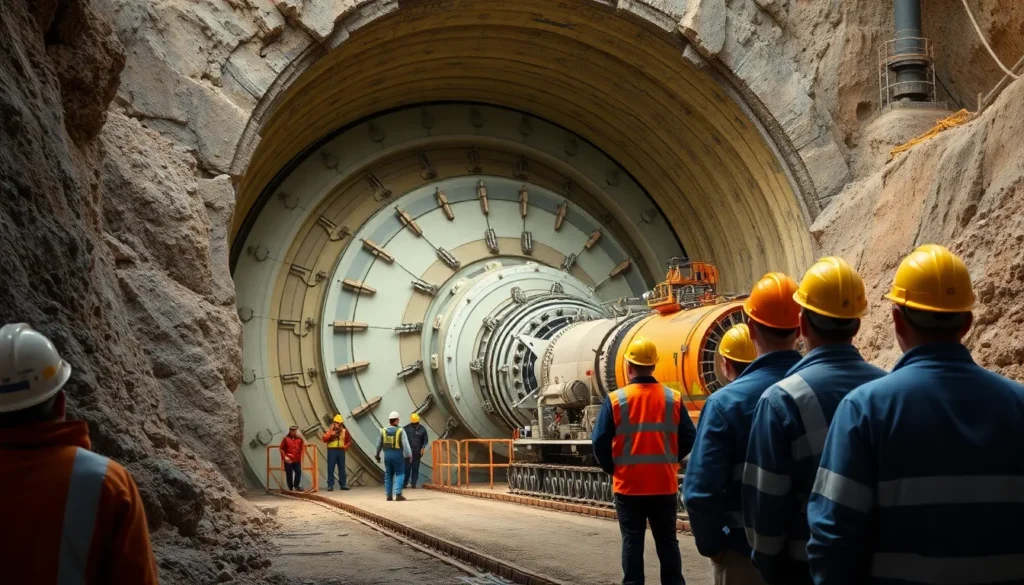
Tunnelling techniques have evolved significantly, integrating both conventional and modern methods to enhance efficiency and safety.
Conventional Tunnelling Methods
Conventional tunnelling methods primarily include drill and blast techniques. This approach involves drilling holes into rock, filling them with explosives, and blasting to create tunnels. Workers typically use this method in hard rock scenarios. Hand-held tools and large excavation machines contribute to preparation and rock removal. Another method involves using tunnel boring machines, designed to create smooth, circular tunnels. These machines operate effectively in various geological conditions, minimizing surface disruption.
Modern Tunnelling Technologies
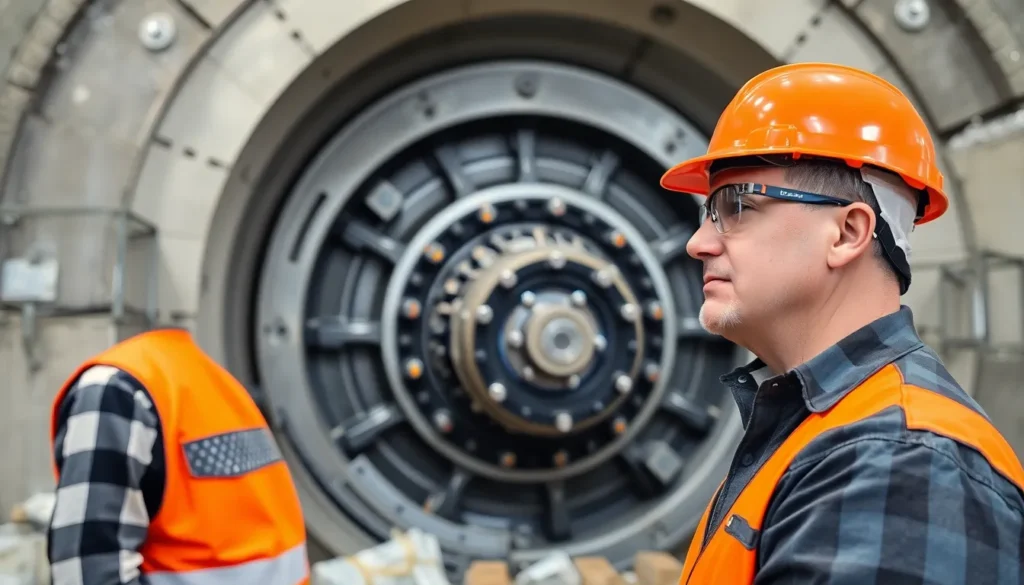
Modern tunnelling technologies leverage advanced machinery and techniques to enhance construction capabilities. Tunnel boring machines integrate cutting, hauling, and lining in one continuous process. These machines improve speed and reduce costs, particularly in urban areas. Additionally, ground penetrating radar identifies geological features before tunnelling, aiding project planning and minimizing risks. Innovative techniques such as sequential excavation method allow for safer excavations in unstable ground conditions. These new technologies reflect the industry’s commitment to efficiency, sustainability, and safety.
Applications of Underground Space Technology
Underground space technology plays a crucial role in urban development across various sectors. Key applications demonstrate the transformative impact on infrastructure and service management.
Transportation Infrastructure
Subway systems exemplify the importance of underground space in transportation infrastructure. Cities utilize tunnels to alleviate traffic congestion, providing efficient public transit. Furthermore, underground highways expand road networks, enhancing connectivity. Freight transport benefits from underground logistics, reducing surface-level disruptions. Systems like automated people movers improve accessibility between transit hubs. Each application underscores the necessity of integrating underground solutions into urban planning.
Utility and Services Management
Utility management heavily relies on underground space technology. Water pipelines, sewage systems, and electrical networks often run below ground, ensuring minimal surface interference. This arrangement allows cities to maintain aesthetically pleasing environments while managing essential services. Moreover, underground storage facilities offer solutions for hazardous materials, mitigating risks to public health. Services like communication networks operate efficiently in subterranean spaces, promoting uninterrupted connectivity. Each utility application emphasizes the vital role of underground technology in sustaining urban life.
Challenges in Tunnelling Projects
Tunnelling projects face various challenges that impact their success and efficiency. Understanding these challenges is crucial for effective project management and planning.
Geological Considerations
Geological conditions significantly influence tunnelling. Variations in soil composition, rock types, and groundwater levels affect construction methods and design choices. For instance, soft ground may require earth pressure balance machines or slurry shield tunnelling methods, while hard rock conditions support the use of drill and blast techniques. Engineers must conduct thorough geological surveys to identify potential issues such as fault lines or unstable layers, mitigating risks during excavation. Assessments like these minimize unexpected complications and enhance project feasibility.
Safety and Environmental Concerns
Safety remains a top priority in tunnelling projects. Workers face risks associated with confined spaces, heavy machinery, and geological instability. Implementing strict safety protocols helps reduce accidents and ensure a secure environment. Environmental impacts also demand attention. Tunnelling can disrupt ecosystems, alter groundwater flow, and affect air quality. Effective mitigation strategies involve monitoring environmental conditions and using noise-reducing equipment to minimize disturbances. Addressing these safety and environmental factors is essential for sustainable tunnelling practices.
Future Trends in Tunnelling and Underground Space Technology
Tunnelling and underground space technology continue to evolve rapidly, driven by advances in engineering and changing urban needs.
Innovation and Research Directions
Emerging technologies increasingly shape the tunnelling landscape. Robotics play a significant role in automating excavation processes, enhancing safety and efficiency. Artificial intelligence improves project planning through better data analysis and predictive modeling. Research institutions focus on developing lighter, stronger materials for tunnel construction, optimizing structural integrity while reducing costs. Moreover, advancements in machine learning enable real-time monitoring of geological conditions, addressing potential hazards proactively. Innovations also include the integration of digital twins, allowing for virtual modeling of tunnels for improved project management and maintenance strategies.
Sustainable Practices
Sustainability is central to future tunnelling projects. Implementing green construction techniques minimizes environmental impact during excavation. Contractors increasingly utilize recycled materials, such as crushed concrete, to reduce waste. Incorporating energy-efficient tunnelling machines contributes to lower emissions and operational costs. Utilizing natural ventilation reduces energy requirements for air circulation in underground spaces. Additionally, planners prioritize projects that enhance urban green spaces, ensuring sustainable development. Environmental assessments guide decision-making processes, promoting responsible excavation while preserving ecosystems. Each of these practices demonstrates a commitment to creating a sustainable future in tunnelling and underground spaces.
Tunnelling and underground space technology are pivotal in shaping the future of urban environments. As cities grapple with space constraints and the need for efficient infrastructure, these innovative solutions offer a pathway to sustainable development. The integration of advanced techniques and technologies not only enhances construction efficiency but also prioritizes safety and environmental considerations.
With the continued evolution of tunnelling methods and the growing emphasis on sustainability, the potential for underground spaces is boundless. As urban planners and engineers harness these advancements, they will pave the way for smarter cities that utilize every inch of available space. The commitment to responsible practices in this field is essential for creating resilient urban landscapes that meet the demands of future generations.