
In a world where technology meets fashion, wearables clothing brands are strutting down the runway of innovation. Imagine slipping into a shirt that tracks your steps or leggings that remind you to breathe—sounds like a sci-fi dream, right? Well, it’s not just a dream anymore. These brands are redefining what it means to dress smartly while keeping style front and center.
Wearables aren’t just about looking good; they’re about feeling good and being in tune with your body. Whether you’re a fitness fanatic or just someone who wants to keep their health in check, these high-tech threads are here to make life easier and a lot more fun. So, get ready to upgrade your wardrobe and become the envy of your friends—who knew that staying stylish could also mean staying connected?
Overview of Wearables Clothing Brand
Wearable clothing brands represent a significant evolution in the fashion landscape, merging technology with everyday garments. These brands innovate through items like smart shirts that monitor activity levels and leggings equipped with reminders for posture correction. Integrating functionality with style enhances user experience and promotes health awareness.
A growing number of companies focus on creating garments that not only look good but also provide practical health benefits. Examples include temperature-regulating fabrics that adapt to body heat and fitness tracking elements embedded in casual wear. Wearables clothing addresses the increasing demand for products that support a balanced lifestyle.
Consumers appreciate the versatility of these clothing items. Users can wear tech-enhanced apparel in various settings, including at the gym, during outdoor activities, or in casual environments. Wearables clothing brands cultivate a community centered around wellness and tech-savvy fashion choices.
Market analysis reveals a rise in interest among fitness enthusiasts and tech adopters. Statistics indicate that nearly 65% of consumers express enthusiasm for smart clothing technologies. Engaging with this audience requires brands to consistently innovate and improve their offerings.
Industry leaders emphasize the importance of user-friendly designs. Seamless integration of technology into clothing ensures that wearers enjoy the benefits without sacrificing comfort. Advanced materials and cutting-edge designs allow these products to shine in regular wardrobes, fostering an appealing blend of tech and fashion.
Wearables clothing brands forge a new path in the industry, driving a culture of health-conscious, fashion-forward choices. With each advancement, these brands push boundaries, encouraging consumers to explore this exciting intersection of technology and apparel.
Key Features of Wearable Clothing
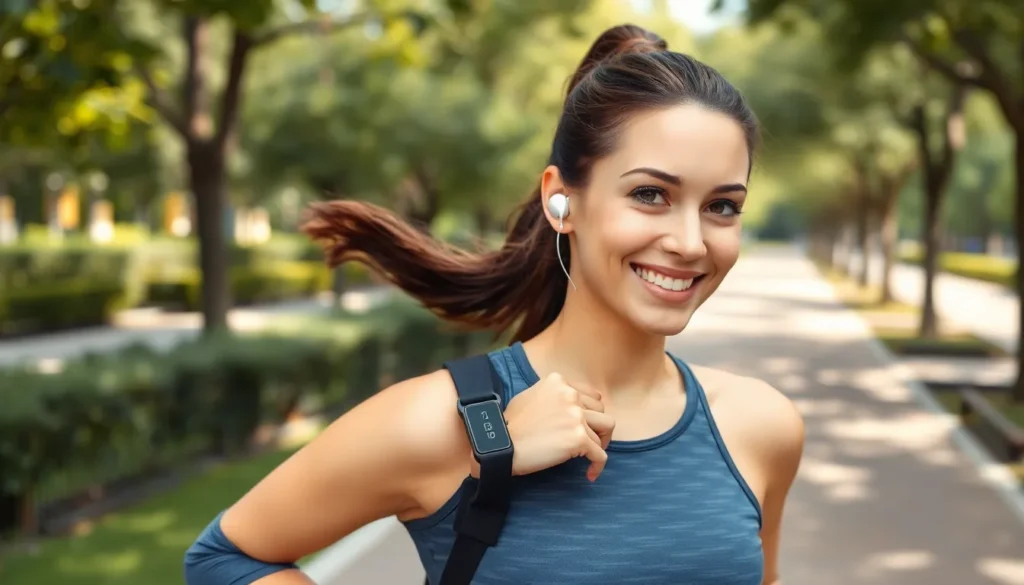
Wearable clothing combines fashion and technology, creating innovative garments that enhance the user experience. Key features include advanced technology integration and a strong focus on comfort and style.
Technology Integration
Smart fabrics revolutionize everyday wear by incorporating sensors and connectivity. These items can monitor vital signs, track fitness metrics, and sync with mobile devices. Data analysis from wearers provides insights for health improvement. Many brands utilize Bluetooth technology for seamless communication, enhancing user interaction. Moreover, wearables often come with companion apps, allowing users to customize settings and access performance data efficiently.
Comfort and Style
Comfort ranks high in wearable clothing design, ensuring a pleasant experience throughout the day. Breathable materials and flexible fits allow freedom of movement. Combining technology and aesthetics helps brands create trendy options that transition easily from workout sessions to casual outings. Fashion-forward designs appeal to users looking to maintain a fashionable look while enjoying the benefits of smart clothing. Versatile styles make these garments suitable for various occasions, fostering a deeper connection with wearers and promoting an active lifestyle.
Benefits of Wearing Smart Fabrics
Wearing smart fabrics brings numerous advantages, particularly in health and performance.
Health Monitoring
Smart fabrics continuously track vital signs, providing insights into physical well-being. They monitor heart rate, respiration, and even body temperature. Many users gain access to real-time data, allowing proactive health management. Syncing with mobile devices enhances user experience, making it easy to interpret data. Regular wear can lead to improved fitness outcomes, as users can adjust routines based on feedback. With nearly 65% of consumers interested in these technologies, the demand continues to grow for clothing that prioritizes health monitoring.
Enhanced Performance
Wearable technology positively impacts performance across various activities. Smart fabrics adapt to body movements, aiding in improved flexibility during workouts. Enhanced moisture-wicking capabilities keep athletes dry, thus maintaining comfort and focus. Many garments reduce muscle fatigue by offering support and compression. Data-driven insights facilitate personalized training, pushing users to reach fitness goals. Integrating these features within fashionable designs allows seamless transitions from exercise to everyday wear. Smart fabrics cultivate a performance-driven mindset, encouraging an active lifestyle and consistent improvement among users.
Popular Wearables Clothing Brands
Consumers increasingly gravitate toward brands that merge technology with fashion. Several prominent names in wearables clothing are leading this trend.
Brand Comparison
Nike, known for its high-performance athletic gear, offers smart textiles that track workouts. Adidas focuses on innovative features like moisture-wicking properties and embedded sensors, enhancing athletic performance. Lululemon combines style and functionality with fabrics that promote flexibility and breathability. Under Armour features products that not only monitor heart rates but also provide recovery insights. Each brand prioritizes comfort while integrating technology, appealing to fitness enthusiasts and fashion-forward consumers alike.
Pricing and Accessibility
Pricing varies across brands, reflecting different technologies and materials. Nike’s smart apparel generally ranges from $70 to $200, depending on the complexity of the features. Adidas offers competitive pricing, typically between $60 and $150 for wearable clothing. Lululemon’s products tend to be pricier, often exceeding $100, due to their focus on premium materials and designs. Under Armour’s wearables are accessible, with many items priced from $60 to $120. These variations highlight how brands cater to diverse budgets while promoting health-conscious lifestyle choices.
Future Trends in Wearable Clothing
Innovations in wearable clothing are continually evolving, paving the way for future trends within the industry. Smart textiles adorned with sensors are expected to become mainstream, enabling garments to monitor health metrics effortlessly. Emerging technologies that integrate artificial intelligence could personalize user experience, adapting features based on individual needs and preferences.
Design versatility plays a crucial role in upcoming innovations. Wearable clothing is likely to include styles catering to both active lifestyles and everyday wear. Expect fashion brands to emphasize aesthetic appeal while incorporating high functionality.
Sustainability also emerges as a key focus area. Brands will increasingly prioritize eco-friendly materials that minimize environmental impact. Research indicates nearly 70% of consumers value sustainability in their purchases, prompting brands to consider biodegradable fabrics or recycled materials.
Enhanced connectivity is on the horizon as well. Future garments may offer seamless integration with smart home devices, allowing users to control home environments from their clothing. Data privacy concerns will necessitate robust security measures, ensuring user information remains protected.
Consumer engagement could take a new turn with interactive clothing. Wearables that respond to touch or movement might offer unique experiences, creating a blend of fashion and technology. Remaining adaptable and responsive to trends will define the leading brands in wearable clothing.
Collectively, these advances promise to reshape the way individuals perceive and utilize clothing. As the market flourishes, continual monitoring of trends concerning functionality, sustainability, and user experience will become essential for brands aiming to succeed in this competitive landscape.
Wearable clothing brands are redefining the intersection of fashion and technology. As consumers increasingly seek health-focused solutions that fit seamlessly into their lifestyles, the demand for smart apparel continues to rise. With advancements in fabric technology and design, these garments not only enhance performance but also promote a sense of well-being.
The future of wearable clothing looks promising with innovations aimed at personalization and sustainability. As brands prioritize eco-friendly practices and user-friendly designs, they’re paving the way for a new era of fashion that values both style and health. Embracing this trend allows individuals to stay connected while expressing their unique style, making wearable clothing an essential addition to modern wardrobes.