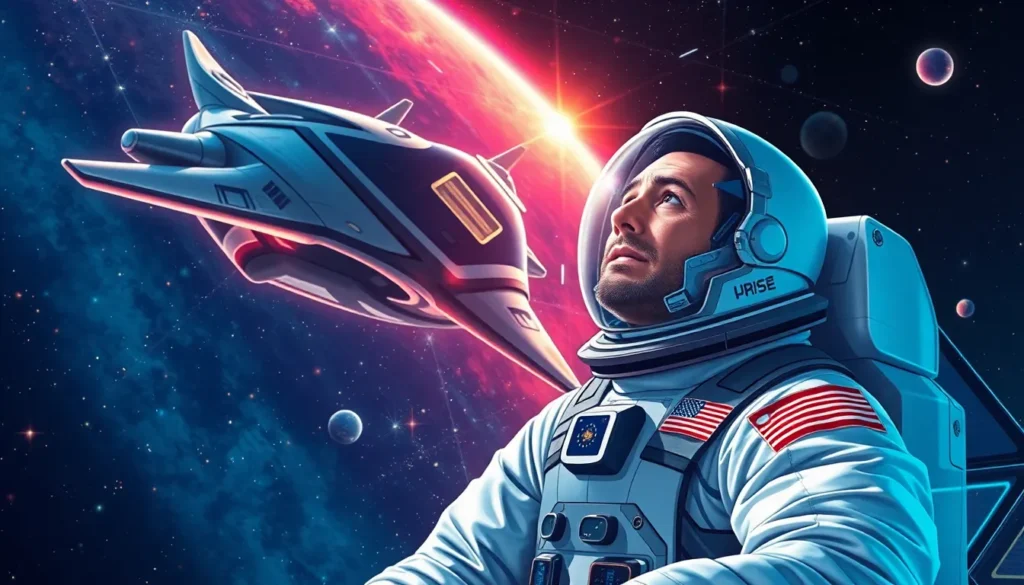
The cosmos has always been a source of wonder, but what if exploring it became as easy as booking a flight to the Bahamas? Future space travel technology promises to turn that dream into reality, and it’s not just for astronauts anymore. With advancements that could make interstellar vacations a thing, the final frontier is about to get a whole lot friendlier.
Overview of Future Space Travel Technology
Innovative technologies are set to redefine space travel, making it more accessible and efficient. Spacecraft equipped with advanced propulsion systems promise quicker journeys beyond Earth. Ion propulsion systems, for instance, enhance fuel efficiency and allow for sustained travel, making deep space missions feasible.
Reusable rocket technology revolutionizes cost management in space exploration. SpaceX’s Falcon 9 shows how reusability reduces launch expenses, paving the way for frequent missions. This model encourages private industry investment in space tourism.
Artificial intelligence plays a crucial role in future missions. AI-driven navigation systems optimize route planning and enhance safety during long-duration flights. Crew management systems will also adapt to the physiological needs of astronauts, improving mission outcomes.
Moreover, habitat technologies are evolving. Modular habitats designed for long-term stays will accommodate astronauts on extended missions. These habitats incorporate life support systems that recycle air and water, crucial for sustainability.
3D printing technology could transform how material is supplied in space. By creating tools, equipment, or even food in space, reliance on Earth shipments decreases. This innovation supports extended missions where resupply becomes impractical.
Energy generation technologies are essential for future space endeavors. Solar sails and nuclear propulsion systems promise sustainable power sources. These energies facilitate exploration of the outer solar system and beyond.
Finally, partnerships between private companies and government agencies foster rapid advancements. Collaborations increase resource sharing and innovation speed. As a result, the timeline for public access to space travel shortens significantly.
Current Trends in Space Travel
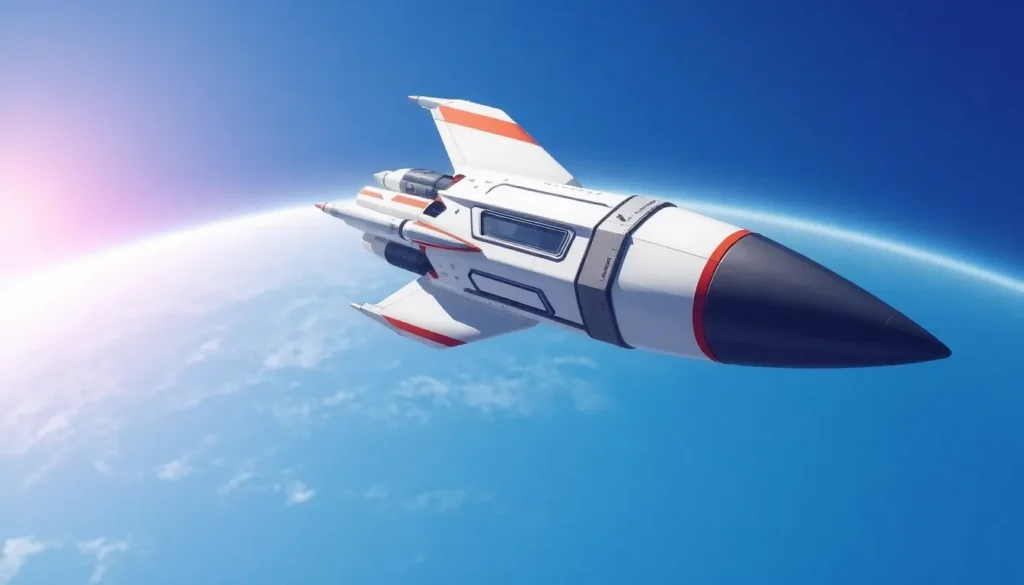
Current trends in space travel highlight significant technological advancements and innovative processes. These developments create a pathway for public access to the cosmos.
Innovations in Rocket Propulsion
Innovations in rocket propulsion are crucial for future space travel. Ion propulsion systems deliver enhanced fuel efficiency, making long journeys more feasible. Manufacturers prioritize reusability, as seen with SpaceX’s Falcon 9, which dramatically reduces launch costs. Solid rocket boosters continue to evolve and provide reliable thrust. Electric propulsion technology offers improved performance for deep space missions. Researchers focus on nuclear thermal propulsion, which could shorten travel time to places like Mars. Each of these advancements supports the growth of commercial space travel opportunities.
Advancements in Spacecraft Design
Advancements in spacecraft design significantly enhance mission capabilities. Streamlined shapes improve aerodynamics and efficiency during ascent. Modular designs allow for easy upgrades and repairs, extending spacecraft lifespan. Enhanced life support technology ensures the safety and well-being of crew members on lengthy missions. Integration of artificial intelligence optimizes navigation and system management. Shielding advancements protect astronauts from cosmic rays and space debris. These design improvements make space travel safer and more sustainable for future generations.
The Role of Artificial Intelligence
Artificial intelligence significantly enhances the efficiency and safety of future space missions. It transforms navigation and mission planning, ensuring precise route optimization and adaptive strategy implementation.
Navigation and Mission Planning
AI systems analyze vast amounts of data from celestial bodies, spacecraft, and environmental factors. Optimizing trajectories for fuel efficiency becomes easier through real-time calculations. Navigation benefits from machine learning algorithms that predict potential hazards and suggest alternative paths. By tailoring mission parameters specific to each journey, AI increases the likelihood of successful operations. Continuous learning from past missions enables AI to improve future decision-making processes.
Autonomous Systems in Spacecraft
Autonomous systems allow spacecraft to function independently during missions. These systems monitor equipment health and environmental conditions in real-time. They also automate routine tasks, reducing the workload on astronauts and minimizing human error. Incorporating AI for diagnostics and maintenance keeps systems operational and efficient. Autonomous navigation enables alignment and course adjustments without human intervention. Overall, these systems enhance safety and reliability, paving the way for successful long-duration missions.
Sustainable Space Travel Solutions
Sustainable solutions are vital for the future of space travel. Innovations in alternative propellants and life support systems promise eco-friendly methods for long-duration missions.
Alternative Propellants
Innovative alternatives to traditional rocket fuels are gaining traction. Propellants like hydrogen, methane, and ammonia reduce carbon footprints and enhance efficiency. Methane propellant, especially, proves beneficial due to its abundance on Mars, enabling in-situ resource utilization. Some companies specialize in producing green propellants that minimize environmental impact. These advancements decrease reliance on Earth-sourced fuel for long missions. Research into electric propulsion systems, including ion and nuclear thermal propulsion, further improves propulsion methods. Each alternative offers unique benefits, increasing the feasibility of sustainable deep-space exploration.
Life Support Systems for Long-Duration Missions
Advanced life support systems ensure astronaut health during extended missions. Technologies that recycle air and water create closed-loop systems, making resource management efficient. Modular designs allow for easy upgrades, accommodating new technologies as they emerge. Automated systems monitor vital parameters, ensuring optimal living conditions. Recycling materials on-site significantly lowers the need for resupply missions, enhancing sustainability. Innovations in food production, including hydroponics and 3D printing, make self-sufficient habitats feasible. By incorporating these systems, space agencies pave the way for human presence in remote locations like Mars and beyond.
The future of space travel technology holds immense promise for humanity. As advancements continue to unfold the dream of exploring the cosmos will soon be within reach for many. The combination of innovative propulsion systems enhanced spacecraft design and sustainable practices will redefine the way people experience space.
With the integration of artificial intelligence and autonomous systems the safety and efficiency of missions will improve significantly. As partnerships between private companies and government agencies thrive the timeline for public access to space shrinks. The vision of interstellar vacations and human presence on distant planets is rapidly transforming from science fiction into reality. Embracing these technologies will not only expand horizons but also inspire future generations to look beyond Earth.